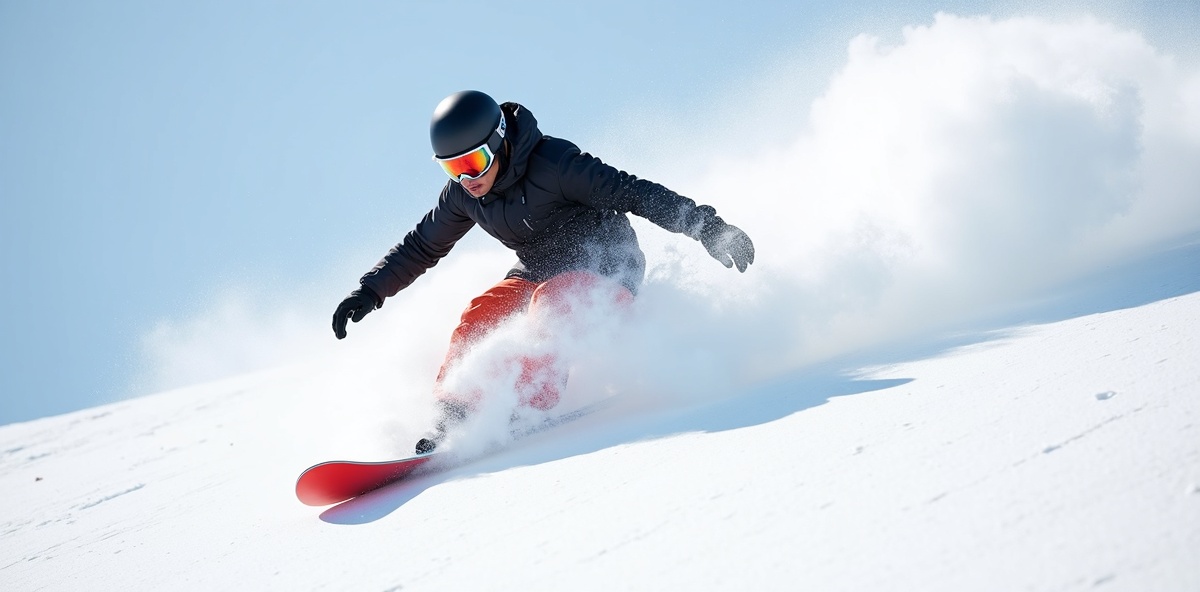
Splitboarding Guide: Everything You Need to Know
Complete guide to splitboarding from choosing your first setup to mastering uphill skinning and transition efficiency in the backcountry.
A splitboard is a snowboard that splits lengthwise into two ski-like planks for climbing, then reconnects into a snowboard for the descent. It is the most efficient method for a snowboarder to access the backcountry under their own power — and the freedom it unlocks is extraordinary.
Choosing Your First Splitboard
Most full-size snowboards have a splitboard equivalent. If you already own a board you love, check if the manufacturer makes a split version of that model first — the riding feel will be familiar. Key considerations: directional shape (easier uphill tracking), medium-stiff flex (stability on ascents), and length 2-5cm longer than your regular board (surface area for float in the descent).
Essential Splitboard Hardware
- Splitboard-specific bindings: these clip into tour mode for ascent and ride mode for descent — Spark R&D and Karakoram are the industry leaders
- Climbing skins: glue-backed fabric strips that grip snow for uphill traction — BD, G3, and Pomoca make excellent options
- Ski crampons: metal spikes that attach under the board for icy ascents — essential in alpine terrain
- Poles: collapsible ski poles for balance and power on uphills
The transition from tour mode to ride mode takes 8-15 minutes when you first learn it. Practice at home on your living room floor until you can do it in under 4 minutes. Cold, tired fingers at 10,000 feet on a windy ridge is not the time to be figuring out the hardware.
Skinning Technique
Skinning is not skiing — it requires a completely different movement pattern. The goal is to slide the foot forward with minimal lift (skins do not work if you lift the planks off the snow). Think of shuffling forward, not walking. Body over the feet at all times, not leaning forward.
Uphill Skinning Tips
- Walk with a slight duck-out toe angle for better skin contact
- Step one plank at a time, complete the glide before lifting the next foot
- Use your poles actively — they provide 20-30% of your uphill power
- Keep a sustainable pace — if you cannot hold a conversation, slow down
- Kick turn on steep terrain: stop, plant poles, and pivot one plank 180° then the other
Transition: Tour to Ride Mode
- 1Choose a safe, flat spot for transition — away from any avalanche runout
- 2Remove skins and stow them (warm inner pocket keeps the glue active)
- 3Click split planks back together — check the tip and tail clips are fully engaged
- 4Switch binding hardware from tour mode to ride mode
- 5Strap in and enjoy the descent you earned
"Every step of the skin track is an investment that pays the best dividend in the world: an untracked line in perfect snow with no one else around." — Alex Rodriguez
Alex Rodriguez
Alex Rodriguez is an AIARE Level 2 avalanche professional and certified mountain guide. He leads backcountry snowboard expeditions in the San Juan Mountains and has taught avalanche safety courses for over a decade.